
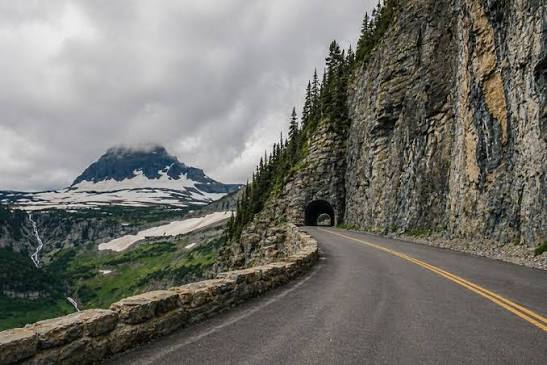
Mountain driving places different demands on a vehicle than ordinary city travel. Long downhill sections can repeatedly heat the brakes, while steep climbs test cooling systems and power delivery. Before heading toward mountain roads, checking brake condition and understanding how to manage descents can make the drive more controlled and reduce unnecessary mechanical stress.
Why Mountain Descents Challenge Brakes
Brakes convert vehicle movement into heat. During a long descent, repeated or continuous braking may generate much more heat than a short stop in normal traffic.
Extra passengers and luggage increase the amount of mass the brakes must control. That makes vehicle loading especially relevant when planning mountainous routes.
Drivers preparing their vehicles can review broader car maintenance discussions as part of pre-trip preparation, but unusual brake noise, vibration, warning lights, or weak braking should be professionally evaluated before departure.
Check Brakes Before Leaving Home
A pre-trip inspection should pay attention to brake pads, rotors, fluid condition where applicable, warning indicators, tires, and other related components. The exact inspection depends on the vehicle.
If service is already due, dealing with it before the journey is far easier than searching for repairs in an unfamiliar mountain town.
Use the Transmission to Help Control Speed
Many vehicles allow drivers to select a lower transmission range or use a manual mode during long descents. This can increase engine braking and reduce the amount of continuous friction braking required.
Follow the owner’s manual because controls vary between conventional automatics, manuals, hybrids, and electric vehicles.
People comparing drivetrain features through vehicle directory information should still learn the controls on the specific vehicle they’ll actually drive through the mountains.
| Mountain Condition | Driving Concern | Practical Response |
|---|---|---|
| Long descent | Brake heat | Use suitable lower gearing |
| Heavy cargo | More braking load | Control speed early |
| Sharp curves | Limited sight distance | Slow before the turn |
| Steep climb | Higher mechanical load | Watch warning indicators |
Control Speed Before It Builds
Waiting until the vehicle is already moving too quickly makes the brakes work harder. Enter descents and curves at an appropriate speed rather than repeatedly correcting excessive speed halfway through them.
Leave additional following distance. The vehicle ahead may brake unexpectedly for wildlife, a tight bend, fallen debris, or slow traffic.
Scenic routes promoted through travel marketing resources can look relaxed in photographs, but actual mountain roads may combine steep grades, narrow shoulders, changing weather, and limited visibility.
Mistakes That Increase Brake Stress
Riding the brake pedal continuously down a long grade is one of the habits drivers should avoid. Constant light braking can keep heat building without giving the system much opportunity to cool.
Another mistake is descending in a gear or drive mode that allows speed to rise too quickly, forcing frequent heavy brake applications.
Don’t assume a larger vehicle automatically has unlimited braking ability. SUVs, trucks, and vehicles carrying luggage still operate within specific weight and brake-system limits. Added mass matters on steep grades.
Watch for Signs Something Isn’t Right
Changes in brake feel, unusual smells, smoke, warning lights, severe vibration, or noticeably reduced braking performance deserve immediate attention. Choose a safe place to stop when possible rather than continuing down a demanding grade with questionable braking.
Never touch potentially hot brake components. If braking performance appears seriously compromised, professional roadside assistance or mechanical inspection is safer than continuing the trip.
Mountain routes also change quickly with weather. Rain, ice, fog, and loose road material can reduce available grip even when the brakes themselves are working normally.
Frequently Asked Questions
Should I use a lower gear when driving downhill?
A suitable lower gear or manufacturer-provided descent mode can help control speed through engine or regenerative braking. Consult the owner’s manual because recommended operation differs between vehicle types.
Can heavy luggage affect downhill braking?
Yes. More vehicle weight means more energy must be controlled when reducing speed. Staying within the manufacturer’s load limits and distributing luggage correctly becomes especially important on steep routes.
What should I do if brakes feel weak on a descent?
Reduce demand on the brakes, use an appropriate safe stopping area if available, and avoid continuing if braking performance is seriously reduced. Professional assistance may be necessary before driving farther.
Prepare the Car Before the Climb
Mountain roads reward preparation. Make sure the brakes and tires are in suitable condition, learn how the vehicle’s lower gears or descent controls work, and manage speed before it becomes excessive. Once the road starts dropping steeply, good technique and sound mechanical condition matter far more than trying to recover from poor preparation halfway down the grade.