
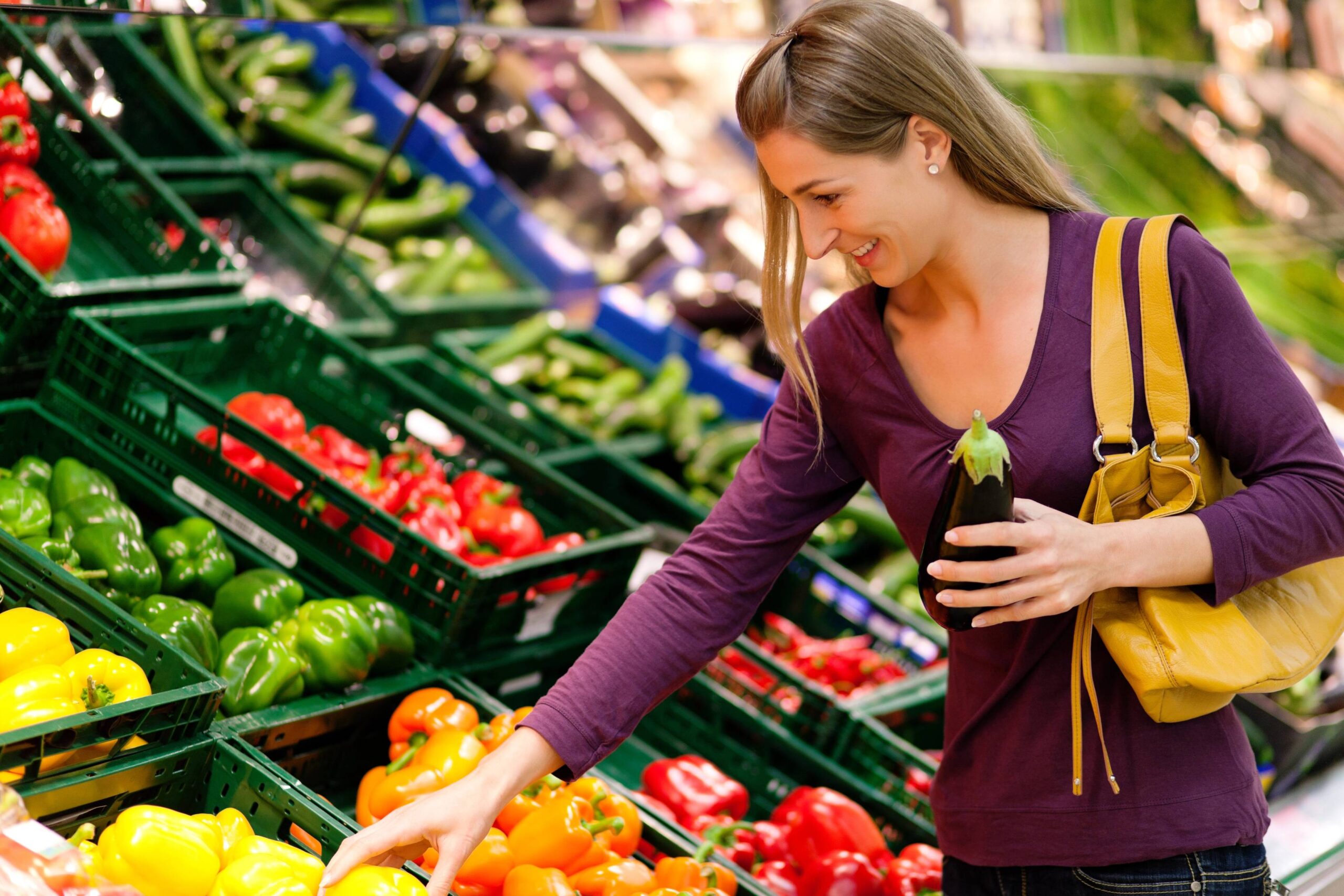
High grocery spending often grows through dozens of small decisions rather than one expensive purchase. Extra trips, impulse items, unused ingredients, convenience foods, and poorly planned quantities can quietly push the total upward.
A shopping list and a realistic spending limit create boundaries before you enter the store. Both work best when they are based on actual household eating habits.
Plan From What You Already Have
Before making a grocery list, check the refrigerator, freezer, and pantry. Planning meals without looking at existing food can lead to buying duplicates while older ingredients remain unused.
General consumer reading resources may offer plenty of savings ideas, but inventory is one of the simplest places to start. Build several meals around food already in the house, then list only the missing ingredients.
Connect Meals to the Shopping List
A list works better when every major item has a purpose. If vegetables, proteins, grains, and snacks are selected without a meal plan, some may never be used together.
Leave room for flexible ingredients that can work in more than one meal.
Set a Limit Before Entering the Store
Review recent grocery spending and choose a target that fits your broader household budget. A limit that is dramatically below normal spending may be difficult to sustain without changing what, where, or how you buy.
Consumers often encounter personal spending discussions with aggressive savings claims, but gradual adjustments may be more realistic. Track several shopping trips so you can identify which categories are driving the total.
| Spending Problem | Possible Adjustment | Expected Benefit |
|---|---|---|
| Frequent extra trips | Shop on planned days | Fewer impulse purchases |
| Food waste | Plan smaller quantities | Better use of groceries |
| Brand habit | Compare unit prices | Easier value comparison |
| Unplanned snacks | Add chosen snacks to list | More controlled spending |
Compare Value, Not Package Price
A lower shelf price isn’t always the cheaper choice. Package size, usable quantity, expected waste, and unit price can change the comparison.
Practical household budgeting topics may encourage cutting expenses, but buying the largest package only saves money when the household can use it. Throwing away half of a bulk purchase cancels much of the apparent bargain.
Store brands can also be worth comparing with familiar brands, although quality and preference still matter.
For broader budgeting education, the Consumer Financial Protection Bureau provides consumer money tools covering budgeting and everyday financial decisions.
Common Grocery-Saving Mistakes
Shopping while focused only on discounts can increase total spending. A product isn’t saving money if you weren’t going to buy it in the first place.
Rigid meal plans can cause problems too. Plans that require many unique ingredients may cost more than flexible meals that share vegetables, grains, sauces, or proteins. And cutting the food budget too sharply may lead to extra convenience purchases later when the planned food runs out.
When Food Costs Are Creating Financial Strain
If grocery costs are forcing you to miss essential bills, depend repeatedly on high-cost borrowing, or reduce food to an unsafe level, the issue may require more than better shopping habits. Review the broader household budget and look for legitimate community or government assistance for which you may qualify.
Avoid sacrificing adequate nutrition solely to meet an unrealistic budget target. Financial limits should support stable household planning rather than create another serious problem.
Frequently Asked Questions
How can I reduce grocery spending without changing everything I eat?
Start with waste, duplicate purchases, extra store trips, and brand comparisons. These changes can reduce costs without requiring a completely different diet or meal routine.
Is shopping once a week always cheaper?
Not necessarily, but fewer planned trips can reduce opportunities for impulse purchases. The best schedule depends on storage space, household size, transportation, and how quickly fresh foods are used.
Do grocery lists actually help control spending?
They can. A list creates a planned set of purchases before you encounter displays and promotions. It works best when combined with meal planning, pantry checks, and a spending target.
Give Every Shopping Trip a Boundary
Don’t rely on willpower at the checkout line. Decide what meals you are buying for, check what you already own, write the list, and set a realistic limit before shopping.
High grocery spending becomes easier to manage when you can see exactly where the money is going. Small, repeatable corrections usually matter more than one unusually cheap shopping trip.
This article is for general informational purposes and is not a substitute for professional financial advice.