
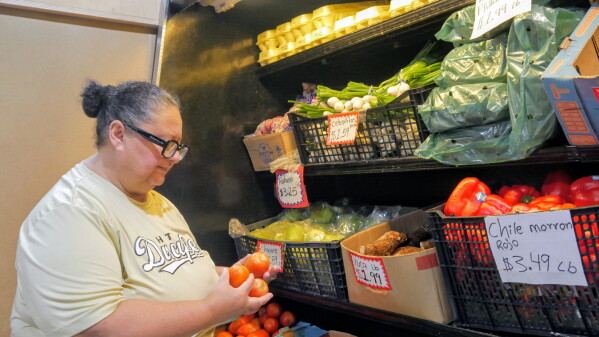
High grocery prices can make a familiar shopping list cost noticeably more than expected. Cutting food spending doesn’t have to mean buying the cheapest version of everything. A better approach is comparing unit prices, planning meals around what you already own, checking store alternatives, and deciding where convenience is worth paying for before the cart is full.
Compare the Cost of the Amount You Actually Receive
Package price alone can be misleading. One product may appear cheaper while containing considerably less food than the option beside it.
Use unit-price information when stores provide it, especially for pantry staples, cleaning products, snacks, and packaged goods. Shoppers reading consumer-focused online material may find plenty of bargain strategies, but comparisons work best when they reflect products your household will actually use.
| Shopping Choice | Potential Benefit | Possible Drawback |
|---|---|---|
| Larger package | Lower unit cost | More waste |
| Store brand | Lower shelf price | Preference varies |
| Bulk purchase | Fewer repeat trips | More cash upfront |
| Sale item | Temporary savings | Encourages extras |
Shop Your Kitchen Before Shopping the Store
Food already sitting in a freezer, pantry, or refrigerator is part of the grocery budget. Buying duplicates while older ingredients remain unused can quietly increase waste.
Before making a list, check what needs to be eaten soon. Build several meals around those items and buy the missing ingredients rather than designing every meal from scratch.
Ideas from general household reading can be useful, but a realistic meal plan should match your schedule. Buying ingredients for seven elaborate dinners isn’t economical if you only have time to cook three of them.
Compare Stores Selectively Instead of Chasing Every Sale
Driving to several stores for small discounts can consume time and fuel. Identify categories where price differences matter enough to justify comparison.
You might find one store consistently works well for produce while another is better for pantry staples. The exact pattern will depend on where you live and what you buy.
When exploring digital consumer resources, keep your own receipts as the strongest personal reference. A simple record of prices on ten frequently purchased items can reveal which store is actually cheaper for your household.
Watch the Cost of Convenience
Pre-cut fruit, individually portioned snacks, prepared meals, and delivery can cost more than less processed alternatives, but convenience isn’t automatically wasteful.
If a convenient product prevents takeout or keeps food from spoiling, the higher shelf price may still make sense. Compare outcomes, not only labels.
Common Grocery-Saving Mistakes
Buying in bulk is one of the easiest strategies to misuse. A lower unit price doesn’t save money when part of the package spoils, sits unused, or encourages purchasing more than your household needs.
Coupons can create a similar trap. A discount on an item you wouldn’t normally buy is still extra spending. The same applies to chasing distant sales or filling the freezer with products nobody particularly likes. Savings need to survive real household behavior.
Build a Short List of Prices Worth Remembering
You don’t need to track the cost of every item in a supermarket. Start with recurring purchases such as milk, eggs, bread, rice, meat, coffee, cereal, or whichever products account for a meaningful part of your spending.
Over time, you’ll develop a rough sense of what counts as a good price locally. That makes promotions easier to judge without turning every grocery trip into a research project.
Leave a little flexibility in the list. If a planned vegetable is unusually expensive while a similar option is cheaper, swapping ingredients can protect the budget without changing the entire meal plan.
Frequently Asked Questions
Are store brands always cheaper than name brands?
Often, but not universally. Promotions, package sizes, loyalty discounts, and unit prices can change the comparison, so check the shelf information rather than assuming.
Does buying groceries in bulk always save money?
No. Bulk purchasing works best for products you will use before they expire and when the larger upfront purchase doesn’t strain the rest of your budget.
How can I compare grocery stores without tracking hundreds of prices?
Choose a small basket of items you buy frequently. Compare those same products periodically across your usual stores to identify meaningful patterns.
Make Every Comparison Serve the Household
The goal isn’t to win every individual price comparison. It’s to lower the total cost of feeding your household without creating extra waste, unwanted food, or exhausting shopping routines. Check what you already own, compare unit costs on important purchases, remember prices for recurring staples, and stay flexible when a planned ingredient suddenly becomes expensive.