
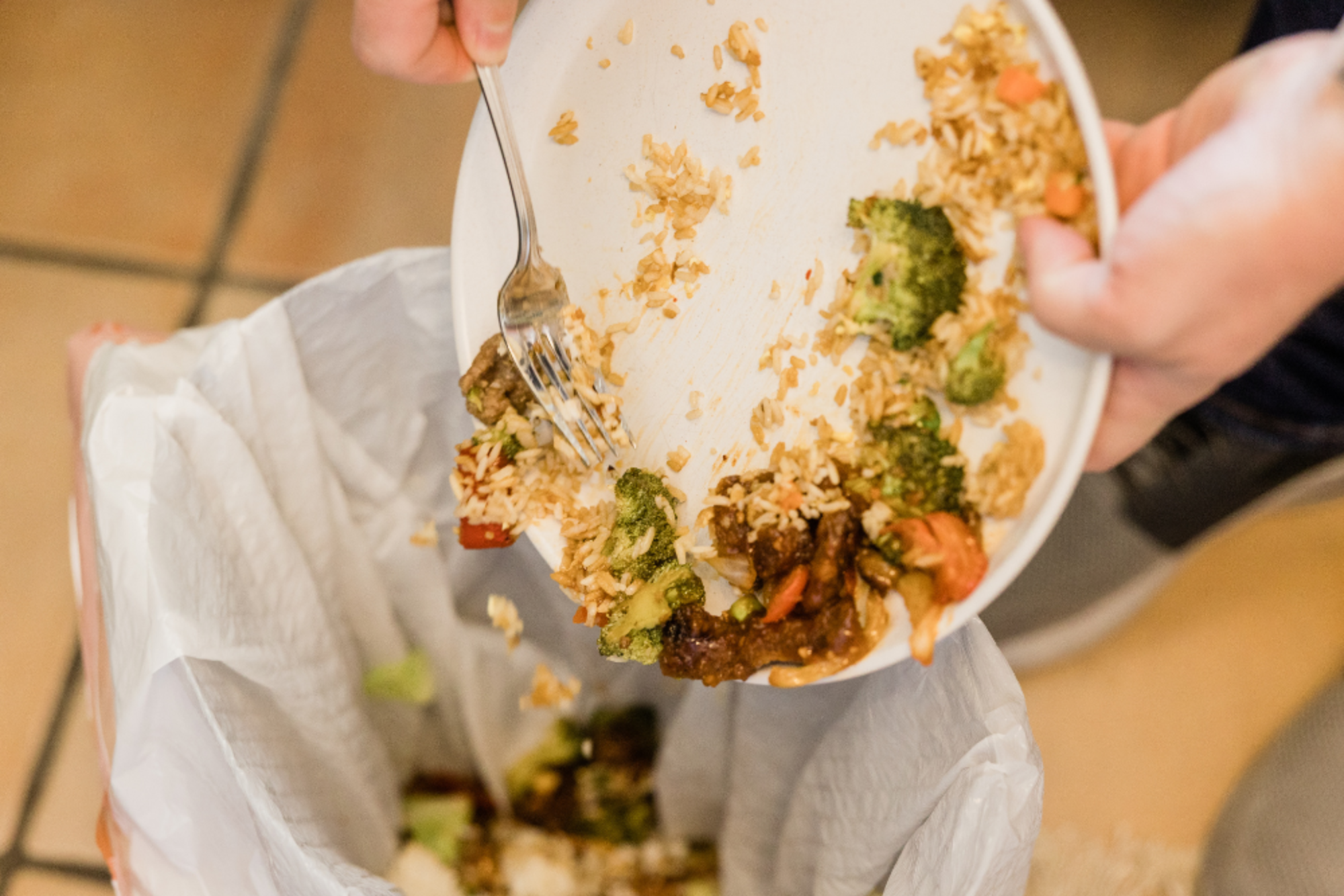
Grocery waste often begins before anyone throws food away. A refrigerator already contains half a bag of spinach, two cooked chicken portions, and vegetables nearing their limit, yet the next shopping trip starts from a fresh list of unrelated meals.
Planning around what is already available reverses that pattern. Existing food becomes the starting point, and new groceries fill the gaps.
Check the Kitchen Before Choosing Meals
A quick inventory takes less effort than a detailed spreadsheet. Look through the refrigerator, freezer, pantry, and produce storage, paying particular attention to opened packages and foods that won’t last much longer.
Households using meal-planning references can keep a short “use first” note on the refrigerator. Five visible ingredients are more useful than a perfect inventory nobody maintains.
Put Short-Life Foods at the Top
Leafy greens, berries, opened dairy products, fresh herbs, cooked leftovers, and certain ripe produce generally deserve earlier attention than shelf-stable foods.
Plan the first meals of the week around those ingredients.
Build Flexible Meals Instead of Rigid Recipes
Recipes can create waste when they require many specialty ingredients that won’t be used again. Flexible meal formats make substitutions easier.
While browsing food and lifestyle directories, think in meal structures rather than collecting unrelated recipes: stir-fries, soups, grain bowls, pasta dishes, wraps, omelets, and tray-baked meals can absorb many ingredients already on hand.
| Food to Use | Flexible Meal Idea | Useful Addition |
|---|---|---|
| Mixed vegetables | Stir-fry | Rice or noodles |
| Cooked meat | Wraps | Tortillas |
| Soft vegetables | Soup | Stock |
| Leftover grains | Grain bowl | Dressing |
Shop for Missing Pieces, Not Entire Meals
Once two or three meals are built around existing food, the grocery list becomes shorter. You may need tortillas for leftover chicken, eggs for vegetables, or yogurt for fruit rather than a completely new basket of ingredients.
People gathering household organization ideas can also keep one flexible meal unplanned. That creates room for leftovers or food that needs to be used sooner than expected.
Buying smaller quantities can help too, particularly with ingredients that repeatedly spoil. A larger package isn’t economical if a meaningful share regularly ends up discarded.
Give Leftovers a Specific Job
“Eat leftovers sometime” is too vague. Decide whether Tuesday’s roasted vegetables become Wednesday’s lunch, whether cooked rice becomes fried rice, or whether extra meat is frozen for the following week.
Store leftovers where they are easy to see. Transparent containers and a dedicated refrigerator shelf can reduce the chance that usable food disappears behind newer purchases.
Labeling the preparation date can also make rotation easier when several containers accumulate.
Why Good Intentions Still Produce Waste
Overplanning is a common problem. Seven ambitious dinners may look organized on Sunday, yet schedules change, someone eats out, and takeout replaces a planned meal.
Another mistake is shopping from memory. People often buy another package because they can’t remember whether one remains at home.
The third problem is treating every blemished or imperfect ingredient as unusable. Some foods may still have practical uses depending on their condition, although anything showing signs of unsafe spoilage should be discarded rather than rescued simply to avoid waste.
Frequently Asked Questions
How many meals should I plan before grocery shopping?
Plan enough to give the week structure while leaving room for schedule changes and leftovers. Some households find that planning fewer dinners than the number of nights prevents excess buying.
Should I freeze food before it starts going bad?
Freezing can preserve many foods that won’t be used promptly, provided they are suitable for freezing and handled safely. Make the decision while the food is still in good condition rather than waiting until the last moment.
How can I remember what is already in my freezer?
Keep a simple freezer list on paper, a phone note, or the freezer door. Record major items rather than every small ingredient, and remove foods from the list when they are used.
Let Existing Food Lead the Plan
A practical grocery plan begins at home, not in the supermarket aisle. Check what needs attention, build flexible meals around it, and buy only the missing pieces. The habit reduces duplicate purchases and gives leftovers a purpose before they become forgotten containers at the back of the refrigerator.