
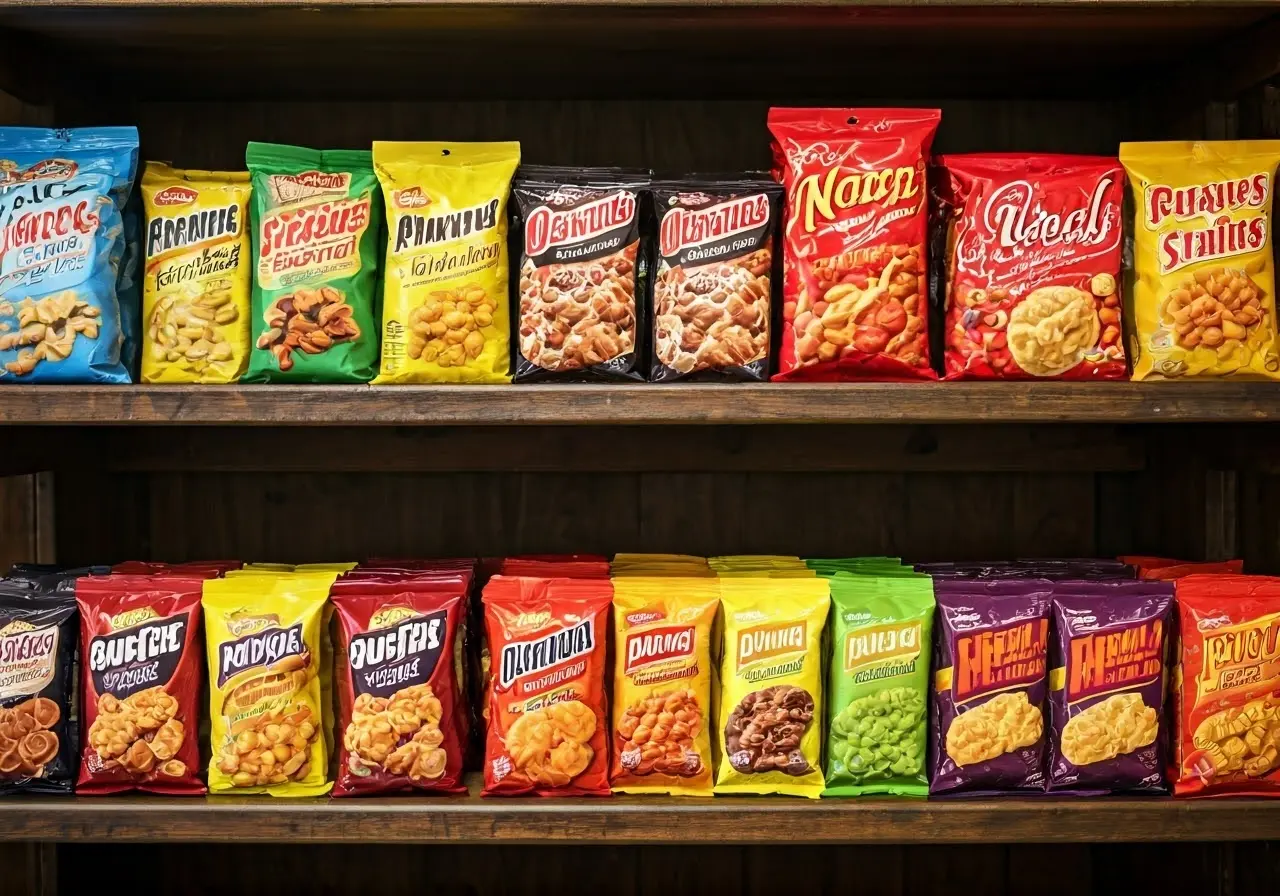
Expensive snack purchases rarely feel significant one at a time. A drink in the morning, something from the vending machine in the afternoon, and a convenience-store stop on the way home can become a routine expense without much planning.
Packing snacks before work removes part of that decision. You already have something available when hunger arrives, so convenience doesn’t automatically determine what you buy.
Identify When You Usually Buy Snacks
Think about the last several workdays rather than creating an idealized food plan. Do you buy something during the commute, around mid-morning, after lunch, or late in the afternoon?
The timing shows what your packed snacks need to accomplish. Someone who gets hungry at 3 p.m. needs an option that is still appealing and practical several hours after leaving home.
| Workday Situation | Packable Option | Planning Benefit |
|---|---|---|
| No refrigeration | Nuts or shelf-stable snack | Easy to store |
| Short break | Pre-portioned item | Quick to eat |
| Afternoon hunger | Fruit plus another filling item | More substantial |
| Long commute | Portable snack | Reduces impulse stops |
Pack Something You’ll Actually Want
A snack doesn’t save money if it remains untouched while you buy something else. Choose foods you already enjoy rather than treating packed snacks as a punishment for spending too much.
Ideas from general lifestyle coverage may introduce new food or budgeting habits, but your normal preferences matter more. Familiar fruit, crackers, nuts, yogurt, cheese, popcorn, or another convenient choice may work better than an elaborate option you won’t prepare consistently.
Variety helps if you get bored eating the same thing every day.
Prepare Snacks While Handling Another Task
The easiest habit is often attached to something you already do. Pack tomorrow’s snack while putting away dinner, preparing lunch, making coffee supplies ready, or cleaning the kitchen.
It’s easy to read headline coverage about elaborate meal-preparation routines and assume you need a major weekly session. You don’t. Preparing one or two small items the night before may be enough to change what happens during the workday.
Keep grab-and-go options in a predictable location so packing takes seconds rather than becoming another morning project.
Compare the Habit, Not One Purchase
Buying one snack at work isn’t automatically a financial problem. The useful question is whether repeated convenience purchases are taking more money than you intend to spend.
General online magazine content can provide plenty of budgeting inspiration, but your own spending history gives you the clearest evidence. Review several weeks of transactions and identify how frequently small food and drink purchases occur.
You may discover that beverages, delivery fees, or unplanned convenience stops matter more than the snack itself.
Where Snack Planning Goes Wrong
Overplanning can make the habit harder. Buying a large amount of unfamiliar food because it appears economical may create waste if nobody eats it.
Another mistake is packing too little. If a small snack doesn’t match your workday schedule, you may eat it early and still buy another item later. Portion choices should reflect your routine, access to meals, and personal appetite rather than an arbitrary rule.
Frequently Asked Questions
Is buying snacks in bulk always cheaper?
Not necessarily. A larger package may have a lower unit cost, but it isn’t economical if part of the food goes stale or uneaten. Compare usable quantity rather than package size alone.
How can I remember to bring snacks to work?
Keep work snacks beside your lunch bag, keys, or another item you reliably take with you. Packing them the night before also reduces dependence on morning memory.
What if my workplace has no refrigerator?
Choose foods that can safely remain at room temperature for the required period, or use an insulated lunch bag with appropriate cold packs for foods that need temperature control.
Make Convenience Work in Your Favor
Reducing expensive snack purchases doesn’t require banning every coffee-shop or vending-machine stop. It means making the planned option almost as easy as buying something.
Choose foods you enjoy, prepare them during an existing evening routine, and keep a few dependable options ready. When your own snack is already within reach, spending money becomes a choice rather than the automatic response to hunger.