
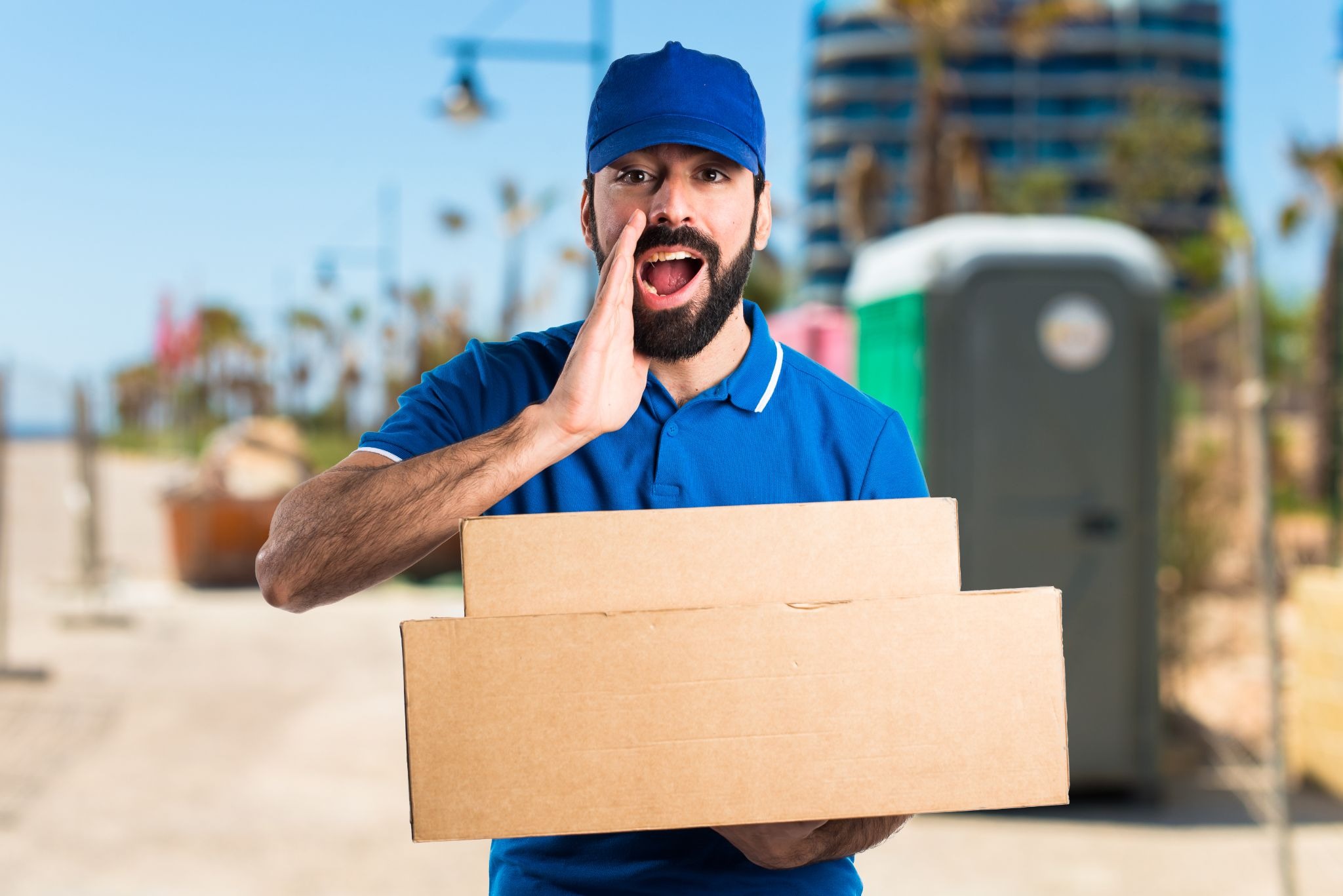
Final mile shipping is the last stage of the delivery process, when a package moves from a local hub or warehouse to the customer’s doorstep. It is often the most visible, complex, and expensive part of the shipping journey.
In an economy where shoppers expect fast, trackable, and flexible delivery, the final mile shapes how customers feel about your brand. A smooth handoff builds trust, encourages repeat orders, and turns a simple purchase into a positive experience.
Have you been wondering why final mile shipping gets so much attention? If so, you are in the right place. In this logistics guide, we will outline the top five things you need to know.
What Final Mile Shipping Includes
As the name suggests, the final mile shipping begins when a parcel leaves the last distribution center and ends when it reaches the recipient. It is a comprehensive process that includes sorting, route planning, loading, driving, and the actual drop-off.
However, deliveries may be made to homes, apartment buildings, offices, or pickup lockers. Additionally, each destination adds its own challenges, from gated entrances to limited parking.
Why It Costs So Much
Why final-mile shipping can cost you, and other shipping options beyond this stage. This stage often accounts for a large share of total shipping expenses because drivers make many short stops, each of which consumes time, fuel, and labor.
Additionally, factors such as traffic, failed delivery attempts, and rural addresses increase costs. Therefore, even small efficiency gains can add up to meaningful savings.
Common Challenges
Common challenges in final-mile shipping include missed deliveries, inaccurate addresses, and unpredictable weather. During peak seasons, capacity constraints and urban congestion slow routes. Customers may also expect narrow delivery windows and real-time tracking. Thus, meeting these expectations requires accurate data and clear communication at every step.
Technology That Improves Delivery
Route optimization software can help drivers choose the fastest paths and group stops efficiently. Additionally, real-time tracking, text alerts, and digital proof of delivery keep customers informed and give them peace of mind that their product will arrive soon.
Some of the companies also test delivery lockers, electric vehicles, bikes, and drones. However, using these tools can reduce emissions, ease traffic, and speed up short-distance trips.
How to Choose the Right Delivery Partner
When selecting final-mile shipping services, choose a provider with a reliable on-time record, transparent pricing, and coverage in your key service areas. Ask about same-day options, scheduling flexibility, and their process for handling damaged or lost packages.
Strong customer support and easy system integration also matter. Make sure to compare several carriers before you commit, since the best fit depends on your volume and customer base.
Bottom Line
Final-mile shipping is far more than dropping off a box. Understanding its scope, costs, challenges, technology, and partner selection helps you deliver a better experience at a sensible price. Choose a strategy that fits your business, and your customers will keep coming back.
Always ask family, friends, and people who have previously used the final-mile shipping service to choose the best service available on the market.