
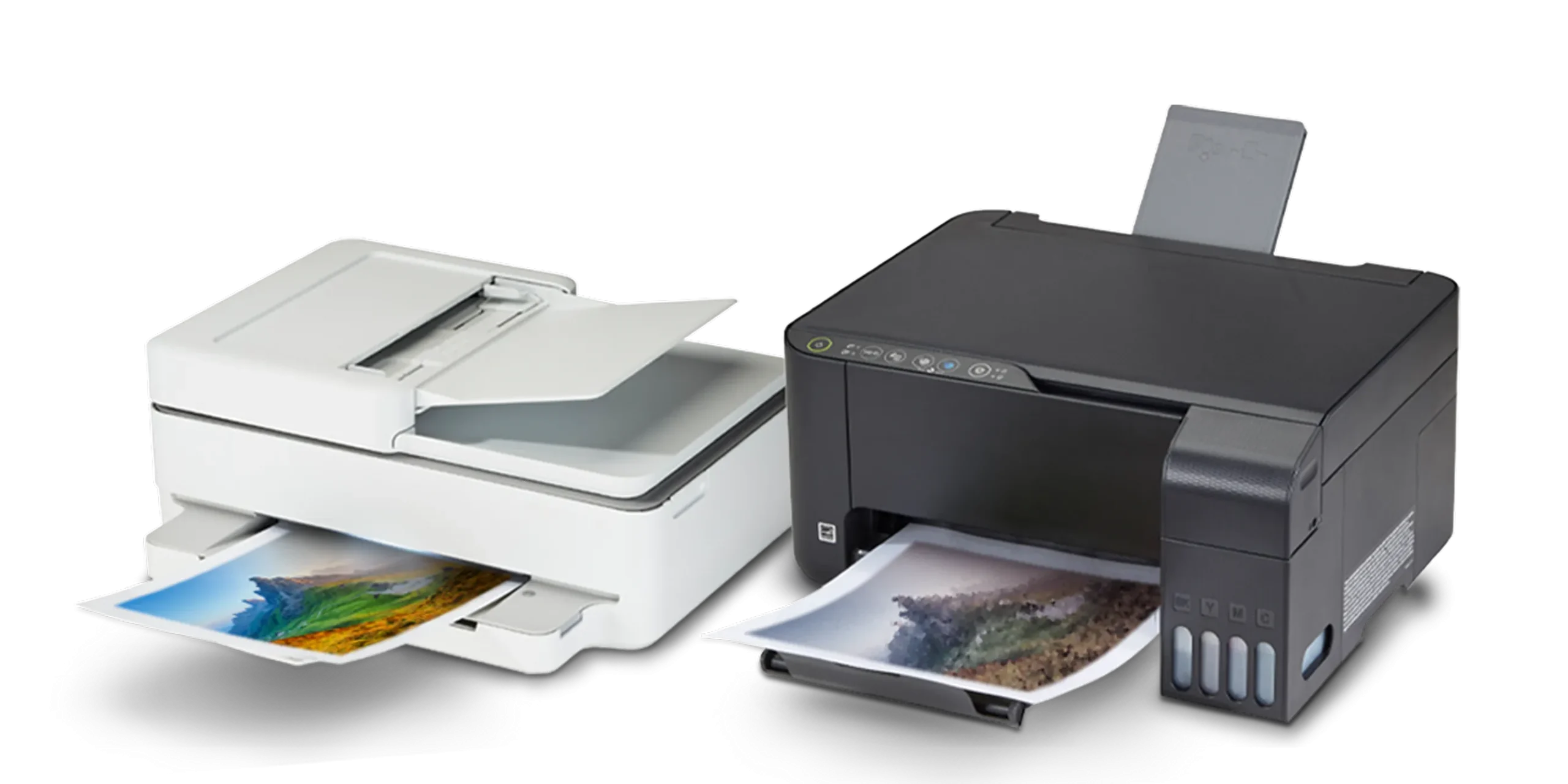
Buying a printer becomes confusing when every product page treats more features as automatically better. The useful starting point is simpler: decide how the device will serve homework, documents, photos, labels, home-office work, and occasional scanning, then compare only the specifications that affect those jobs. Price still matters, but so do comfort, support, compatibility, and the cost of owning the product for several years. Shoppers who want more background can consult practical buying references, but the final decision should stay tied to real usage rather than hype.
Five Printer Brands to Compare on Running Cost
A practical comparison begins with print volume, ink or toner cost, color need, duplexing, scanner need, paper handling, and subscription preferences. Those factors create a much clearer shortlist than sorting by the newest model or the biggest headline number. The five companies or buying channels below represent different approaches to the category. They are not ranked from best to worst; use them as reference points for matching features, support, and ownership tradeoffs to your own priorities.
1. HP
HP offers inkjet, tank, and laser printers for homes and offices. The important comparison is long-term consumable cost and expected monthly printing, not only the sale price of the hardware.
2. Canon
Canon sells document and photo-oriented inkjets, refillable tank models, and laser printers. It can be a strong fit when photo quality or mixed home use matters, but buyers should estimate how often they print before choosing a cartridge-based or tank system.
3. Epson
Epson is well known for EcoTank refillable ink printers alongside conventional business and photo products. Tank systems can lower per-page ink costs for frequent printing, though the higher initial printer price should be weighed against actual volume.
4. Brother
Brother has a strong presence in home-office and small-business printing, especially monochrome and color laser models as well as inkjets. It is worth comparing for users who value straightforward document printing, duplex features, and higher-volume workflows.
5. Xerox
Xerox focuses strongly on office and business printing, including laser and multifunction devices. For a light-use household it may be more than necessary, but workgroups can benefit from comparing paper capacity, network features, and duty expectations.
Calculate Ownership Cost, Not Just Printer Price
Before paying, write down the three tasks the printer must handle well and the two frustrations you most want to avoid. That simple list keeps optional extras from becoming false requirements. Use printer ownership guidance as supplementary reading, then verify the exact model, warranty, compatibility, and return terms with the seller or manufacturer before checkout. If two options meet the same core need, prefer the one that is easier to own: simpler support, appropriate capacity, sensible accessories, and fewer compromises you will notice every day.
A second useful test is to compare the total setup rather than the product alone. Accessories, subscriptions, adapters, replacement parts, service plans, and future upgrades can change the real cost. Buying a slightly less ambitious device can be smarter if it avoids expensive add-ons or gives you a better fit for your routine.
Frequently Asked Questions
Is an ink tank printer cheaper than cartridges?
It can be for people who print frequently because refill bottles typically spread ink cost across many pages. The printer itself may cost more upfront. If you print only a few pages each month, the savings may take a long time to outweigh the higher purchase price.
Should I buy a laser printer for home use?
Laser makes sense for frequent document printing, especially black-and-white text, and toner does not dry out like liquid ink. Photo-focused users may prefer a good inkjet. Compare your mix of documents, color pages, and photos before deciding.
How can I estimate real printer cost?
Add the printer price, replacement ink or toner, specialty paper, and any optional subscription over the years you expect to keep it. Divide that by realistic page volume. A cheap printer can become expensive if it uses costly consumables or small cartridges.
Print the Ownership Math First
The strongest buying decision is the one you can explain in plain language: what problem the product solves, which features matter, and which features you deliberately ignored. The cheapest printer at checkout is not necessarily the cheapest printer to own. If you want another perspective before spending, printing research resources can support your comparison, but the last check should always be your own workload, budget, and tolerance for compromise.