
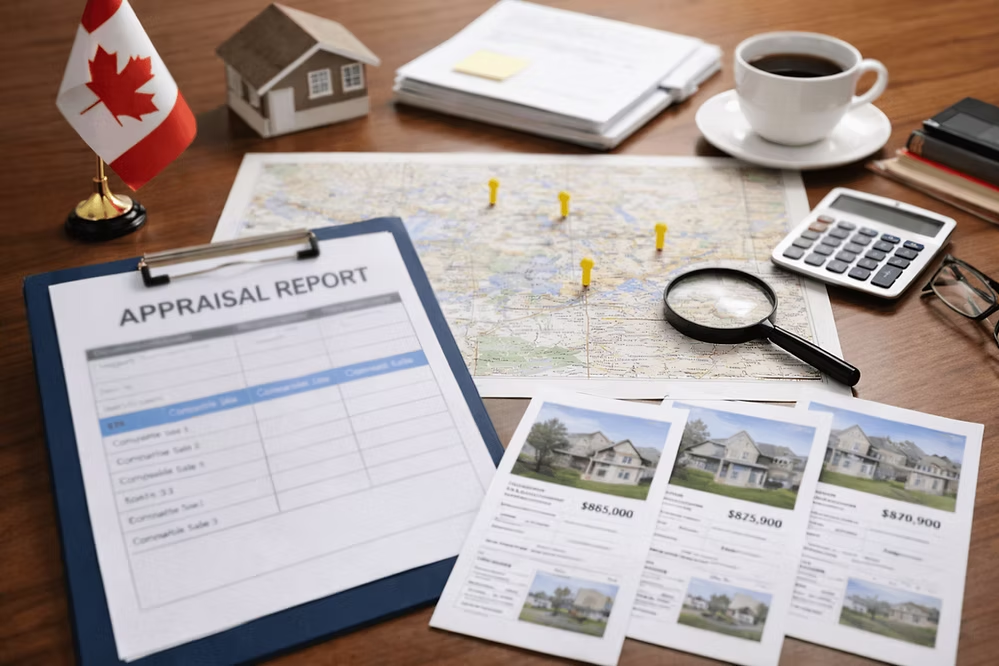
High-value homes can be difficult to appraise because the best comparable sale may differ in location, land, architecture, renovation quality, amenities, privacy, or timing. Preparing organized, factual information can help the valuation process without trying to pressure the appraiser toward a predetermined number. It can also help to compare property investment reading when the purchase, sale, or improvement has wider ownership and investment implications.
Five National Valuation Providers to Know
Many appraisal management companies work for lenders, not directly for the consumer whose property is being appraised. That distinction matters. In a financed transaction, the lender generally controls the appraisal order and independence requirements. Owners and agents can still organize relevant property facts, recent improvements, permits, and potential comparable sales for appropriate review.
The companies below illustrate how national valuation networks serve lenders and other institutional clients. Their products and ordering rules vary, and consumers may not be able to select them directly. The practical lesson is to understand the appraisal channel early and prepare information that is accurate, concise, and easy to verify.
1. Class Valuation
Class Valuation is a nationwide appraisal management company that works with lenders and brokers and maintains a large panel of independent appraisers across the United States. For this decision, focus on whether the valuation process can handle unusual residential properties, how appraiser competency and local knowledge are managed, and what formal path exists for questions or reconsideration when a report appears to miss material facts.
2. Solidifi
Solidifi provides residential valuation services for mortgage lenders through a national network of independent appraisers and other field professionals, with traditional and alternative valuation products. When comparing this provider, focus on whether the valuation process can handle unusual residential properties, how appraiser competency and local knowledge are managed, and what formal path exists for questions or reconsideration when a report appears to miss material facts. The service choice should also be read against current market conditions, and real estate trend insights can help widen that view.
3. Clear Capital
Clear Capital provides property valuation, appraisal, analytics, and property-data products used by lenders, servicers, and capital-markets participants across the United States. Its value here depends on execution, so focus on whether the valuation process can handle unusual residential properties, how appraiser competency and local knowledge are managed, and what formal path exists for questions or reconsideration when a report appears to miss material facts.
4. ServiceLink
ServiceLink offers residential valuation services including traditional appraisals, desktop and hybrid products, property-condition reports, and broker price opinions for lending and servicing workflows. For a high-value property, focus on whether the valuation process can handle unusual residential properties, how appraiser competency and local knowledge are managed, and what formal path exists for questions or reconsideration when a report appears to miss material facts.
5. Accurate Group
Accurate Group provides appraisal management and valuation services for financial institutions, including traditional, hybrid, desktop, and alternative valuation products with nationwide coverage. In practical terms, focus on whether the valuation process can handle unusual residential properties, how appraiser competency and local knowledge are managed, and what formal path exists for questions or reconsideration when a report appears to miss material facts.
How Should Owners Prepare Comparable Information?
Create a short property fact sheet with living area, site size, major renovations, accessory structures, views, special systems, permits, and relevant dates. If you suggest comparable sales, explain why each one matters and where it differs. Avoid flooding the appraiser with every expensive upgrade or with active listings that have never proved their asking prices.
If the completed report appears to contain factual errors or weak comparable logic, follow the lender or appraisal-management process for questions or reconsideration of value. Keep the response focused on verifiable facts, stronger comparables, and material omissions rather than on the desired price. For added context on upscale homes and design priorities, upscale property inspiration can support the comparison while the final decision remains property-specific.
Frequently Asked Questions
Can a homeowner choose the appraiser for a mortgage appraisal?
In many financed transactions, the lender controls the appraisal ordering process to preserve appraiser independence. The borrower may be able to provide factual property information or later request review through the lender’s established process.
What information is useful for a unique high-value appraisal?
Accurate property facts, recent permitted improvements, site information, accessory structures, major systems, and well-chosen comparable sales can help. The material should be concise, factual, and clear about differences between properties.
What can an owner do if the appraisal seems wrong?
Start by checking factual items such as size, condition, features, and comparable sales. Then follow the lender’s reconsideration or review process. A stronger request identifies specific errors or better evidence instead of arguing only that the value feels too low.
Make the Evidence Easy to Evaluate
A unique property will never fit perfectly into a spreadsheet of comparables, but good preparation can make the valuation more transparent. Organize facts, identify the most relevant sales, explain meaningful differences, and respect the appraiser’s independent role. If a problem remains, use the formal review process and keep the discussion tied to evidence.