
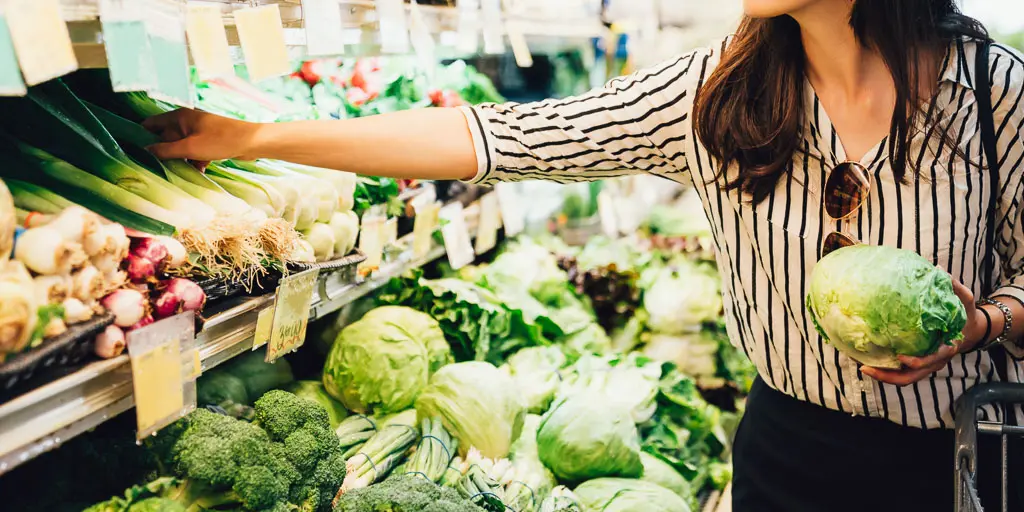
Frequent produce spoilage often starts before fruits and vegetables ever reach the refrigerator. Buying too much, storing everything together, trapping excess moisture, or forgetting older items behind new groceries can turn a routine shopping trip into unnecessary food waste.
Better storage isn’t about making produce last forever. It’s about matching storage conditions to the food and using what you buy in a sensible order.
Buy According to How Quickly You Actually Eat
A large package can appear cheaper until part of it ends up in the trash. Before shopping, check what remains at home and think about how many meals you will realistically prepare.
People browsing general web material for household ideas may find extensive food-management systems, but a simple shopping list is often enough. Buy highly perishable produce in quantities your household normally finishes.
Plan several meals around overlapping ingredients. Half a bunch of herbs is easier to use when two meals call for it.
Control Moisture Instead of Treating All Produce the Same
Excess moisture can speed deterioration for many refrigerated vegetables and berries, while some leafy produce loses quality when allowed to dry excessively. Storage works better when containers, airflow, and washing habits suit the item.
Broader digital information sources can provide organizational inspiration, but observe what happens in your own refrigerator. Condensation inside a container is a sign worth noticing rather than ignoring.
| Produce Type | Useful Storage Habit | Common Problem |
|---|---|---|
| Berries | Keep dry until needed | Excess moisture |
| Leafy greens | Control surface moisture | Wilting or decay |
| Potatoes | Cool, dark storage | Light and warmth |
| Cut produce | Covered refrigeration | Exposure and drying |
Remove obviously spoiled pieces promptly so they don’t remain mixed with food you still plan to eat.
Separate Produce That Ages Differently
Not every fruit or vegetable belongs in the same bowl. Some fruits release ethylene as they ripen, and nearby produce may respond by ripening or aging faster.
If certain groceries repeatedly spoil before you use them, experiment with separating them rather than assuming the refrigerator temperature is the only issue. A broader information site can sit among general household reading, while your own storage observations help identify recurring patterns.
Keep produce visible when possible. Food hidden behind jars and containers is easy to forget.
Create a First-to-Eat Area
One small section of the refrigerator can hold produce that needs attention soon. Move older items there whenever new groceries arrive.
This simple rotation prevents new purchases from automatically being eaten first. It also makes meal decisions easier because the food requiring attention is already grouped together.
Use transparent containers when practical and avoid packing drawers so tightly that you cannot see their contents. Visibility is part of storage management.
Storage Mistakes That Increase Waste
Washing every type of produce immediately after shopping can leave some foods damp during storage. Another mistake is putting every fruit and vegetable into the refrigerator automatically even when certain items are better stored elsewhere until ripe.
Buying aspirational groceries is another hidden source of waste. If your household rarely cooks a particular vegetable, repeatedly buying it because you “should” eat it won’t improve storage. Buying habits have to match eating habits.
Frequently Asked Questions
Should vegetables be washed before going into the refrigerator?
It depends on the item and how it will be stored. If washing leaves produce wet, dry it appropriately before storage. For many items, waiting to wash until closer to use can reduce unwanted moisture.
Why does produce spoil even in the refrigerator?
Refrigeration slows many deterioration processes but doesn’t stop them. Age at purchase, bruising, moisture, airflow, storage location, nearby produce, and refrigerator conditions can all influence how quickly quality declines.
How can I remember to use produce before it spoils?
Keep older items visible, create a first-to-eat section, check produce before shopping, and plan meals around the most perishable ingredients early in the week rather than saving them indefinitely.
Store Less and Use More of What You Buy
Longer-lasting produce starts with realistic purchasing and simple rotation. Buy quantities you can finish, control moisture, separate foods when appropriate, and keep older items where you can see them.
Track what your household repeatedly throws away. That pattern is useful information. Adjusting the next shopping trip often prevents more waste than adding another container or complicated storage system.