
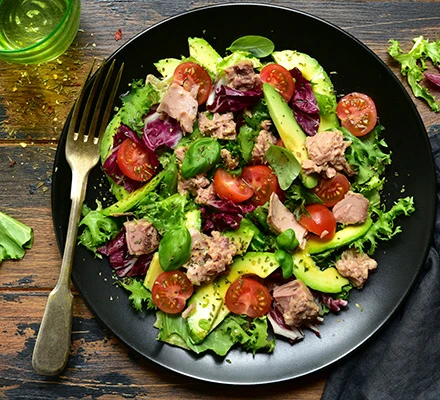
Frequent fast food is often less about preference than timing. When hunger arrives before a meal is planned, the fastest option usually wins. Preparing quick meals before hunger changes that decision point. A few ready ingredients and predictable backup meals can make home food easier to choose on busy days.
Plan Around the Hours Hunger Usually Hits
Think about the times when fast food becomes most tempting. It may be after work, between errands, late at night, or during a rushed lunch break. Instead of planning every meal in detail, build a quick option for those specific windows.
Keep Fast Components Ready
Quick meals become realistic when the ingredients are already usable. Washed produce, cooked grains, eggs, canned beans, yogurt, rotisserie chicken, frozen vegetables, or whole-grain wraps can shorten the gap between hunger and eating.
General food and lifestyle articles may provide ideas, but choose ingredients you already enjoy and can afford. A refrigerator full of aspirational food does not help if none of it fits your routine.
Build Mix-and-Match Meals
Instead of preparing five complete meals, keep a few components that can be combined in different ways. A grain, protein, vegetable, and simple sauce can become a bowl, wrap, or quick plate without much thought.
Broader everyday meal inspiration can help with variety, while USDA MyPlate also recommends planning meals with your available time and existing food in mind. See its weekly meal planning guidance for general planning ideas.
| Busy Moment | Quick Home Option | Prep to Do Earlier |
|---|---|---|
| Rushed morning | Yogurt, fruit, oats | Portion the night before |
| Short lunch break | Wrap with protein and vegetables | Keep fillings ready |
| Late workday | Grain bowl | Cook base ingredients ahead |
| No energy to cook | Eggs and frozen vegetables | Keep staples stocked |
Make Fast Food Less Automatic
The goal does not have to be eliminating takeout. Make it less automatic by keeping quick foods visible, maintaining a short list of five-minute meals, and freezing leftovers in single portions.
Reading general wellness content may offer additional ideas, but your plan should reduce decisions rather than create another complicated routine.
What People Often Get Wrong About Quick Meal Prep
One mistake is assuming meal prep means hours of cooking on Sunday. Preparing ingredients, packing one lunch, or cooking an extra serving at dinner also counts.
Another mistake is trying to copy a highly restrictive menu. If the food is unsatisfying, expensive, or inconvenient, the habit will not last. Quick meals should fit your schedule, preferences, budget, and any dietary needs.
When Should You Get Nutrition Help?
If eating patterns are tied to unexplained weight changes, frequent dizziness, difficulty managing a medical condition, food restriction, binge eating, or significant anxiety around food, professional support may be appropriate. A physician or registered dietitian can help evaluate individual needs.
People with medical or pregnancy-related nutrition needs may require more individualized guidance than a general meal-prep article can provide.
Frequently Asked Questions
What are the easiest foods to prep for quick meals?
Choose foods that need little work and combine easily, such as cooked grains, eggs, beans, washed vegetables, fruit, yogurt, pre-cooked proteins, and frozen vegetables. The best choices are the ones you will actually use.
Do I need to stop eating fast food completely?
No. A more practical goal may be reducing how often it becomes the default. Having quick food ready at home gives you another option without turning occasional takeout into a failure.
How can I meal prep if I hate leftovers?
Prepare components instead of complete meals. Cook a few flexible basics and combine them differently throughout the week so the meals do not feel identical.
Prepare Before the Decision Gets Hard
Hunger makes convenience more powerful. The simplest response is to make a home option convenient first. Identify your busiest eating window, prepare one quick meal for it, and keep reliable ingredients within reach. Once that works, add another. Small preparation reduces last-minute decisions and makes frequent fast food easier to replace without creating an exhausting meal-prep routine.
This article is for general informational purposes and is not a substitute for personalized medical or nutrition advice.